HALO
Something is already overhead when it happens.
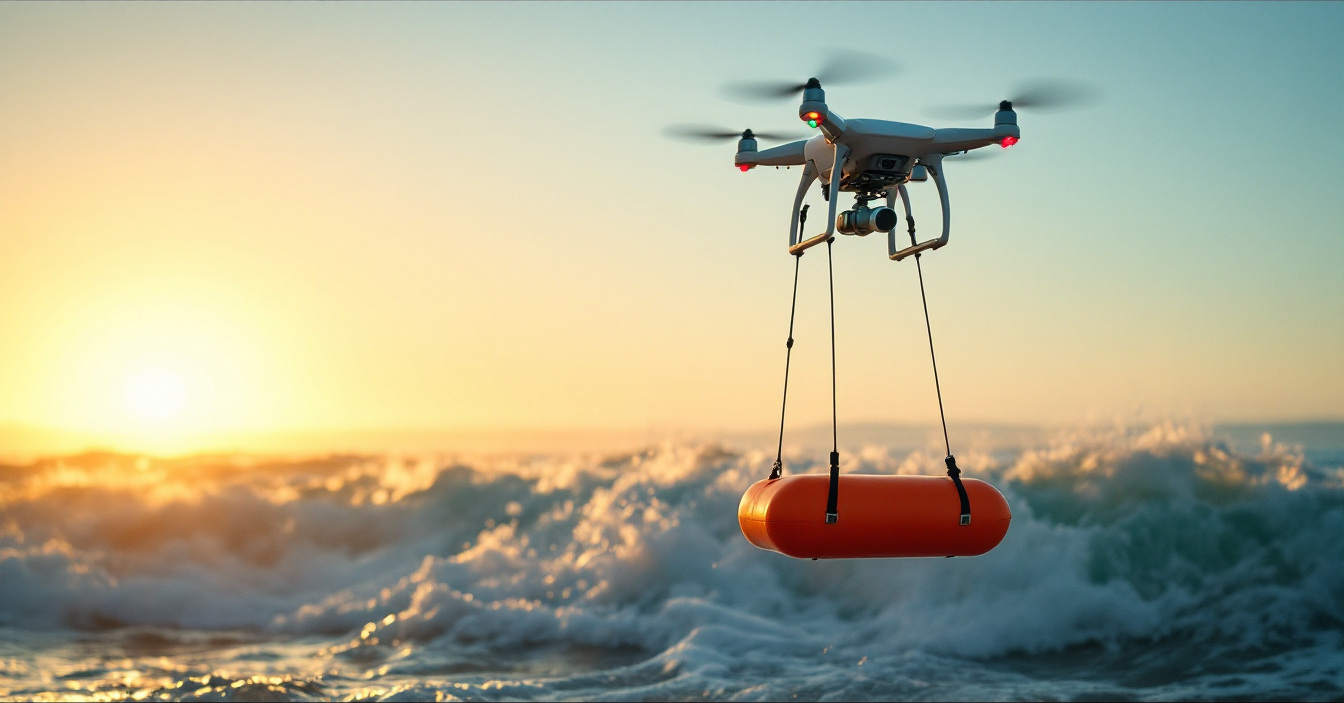
HALO Beach™ watches the water without stopping, recognizes a drowning while it is still survivable, calls the guards, and drops flotation next to the swimmer from the air.
The problem
Drowning does not look like drowning.
It is nearly silent. A person in real trouble is using every breath to keep their mouth above water, which means they cannot shout, and their arms are pressing down on the surface for lift, which means they cannot wave. From the sand it can look like someone bobbing. It can be over in well under a minute, in front of a crowded beach, with lifeguards watching the water and no one realizing.
Then the response itself takes time that the swimmer does not have. A guard has to see it, cross the sand, get through the break, and swim out — and arrives at the worst moment of a person's life already winded, with nothing but their own body between the two of them.
-
Watch
Continuous coverage of the swim area
Cameras cover the water. Models review every frame, every swimmer, without a break, a blink or a shift change — the part of the job that is genuinely beyond human attention.
-
Detect
The pattern, not the splash
The system is looking for what distress actually looks like from above: a swimmer who has stopped making progress, whose head is riding low, who is vertical in the water and going nowhere.
-
Alert
Guards first, immediately
The moment HALO flags a swimmer, the guards get a callout with a position. A human decision-maker is in the loop from the first second, not after the machine has finished.
-
Launch
Flotation goes in the air
An aerial drone launches carrying a rescue tube and flies direct over the water while the guards are still moving across the sand.
-
Drop
Beside the swimmer, not near the beach
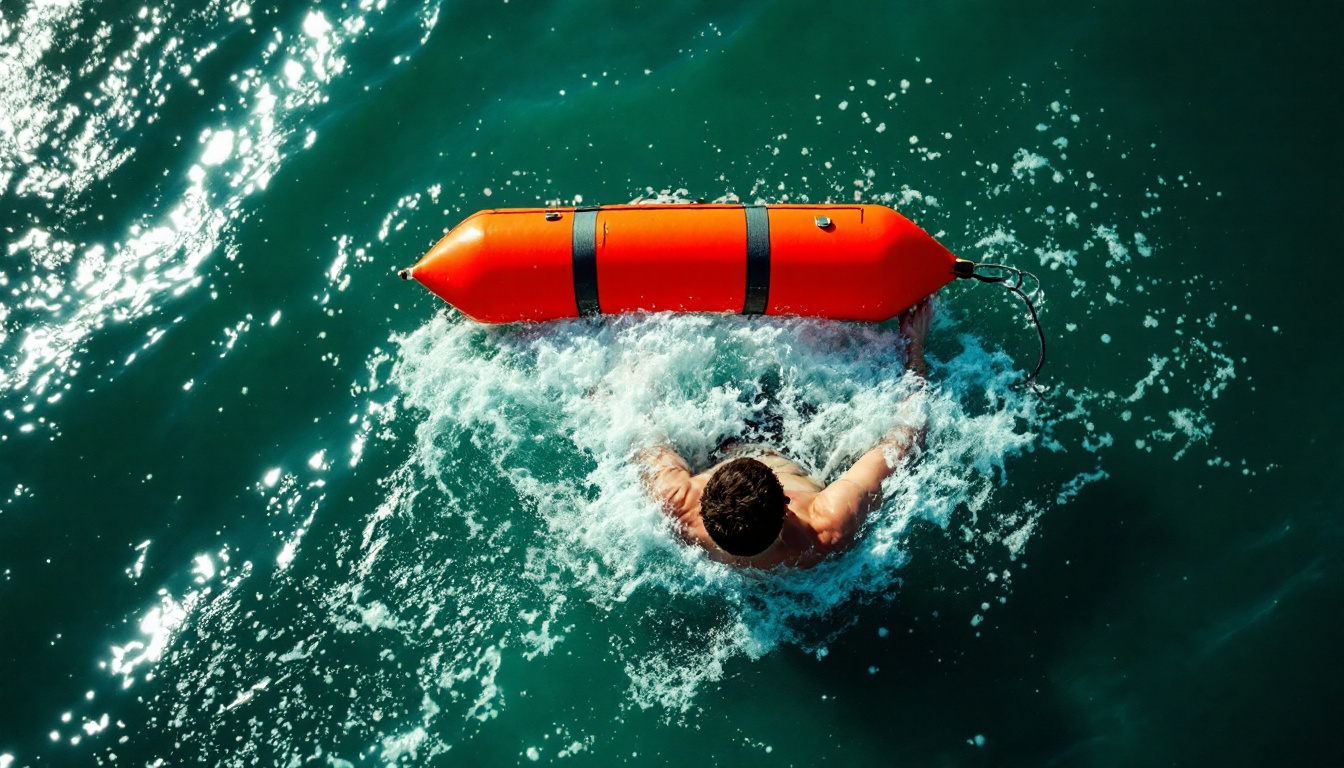
The tube is released as close to the swimmer as it can safely be put, so that reaching flotation costs a stroke rather than a swim.
-
Hold
On station until somebody arrives
The drone stays overhead. It marks the position in open water — the hardest thing to keep hold of from the beach — and keeps eyes on the swimmer while the rescue closes.
-
Reset
Ready for the next one
Once the swimmer is with a guard, the drone returns, reloads and goes back to standby. A busy afternoon is not a single-use event.
What it is not
It does not replace a lifeguard. It gets there first.
HALO does not pull anyone out of the water, make a medical decision, or take responsibility for the beach. It buys the one thing a drowning takes away, which is time, and it hands that time to the people whose job this is.
It is also not a reason to reduce a guard stand. A beach with fewer guards and a drone is a worse beach. Every operator we work with keeps a human in the loop at the alert, at the water, and at the decision.
Guarded ocean beaches
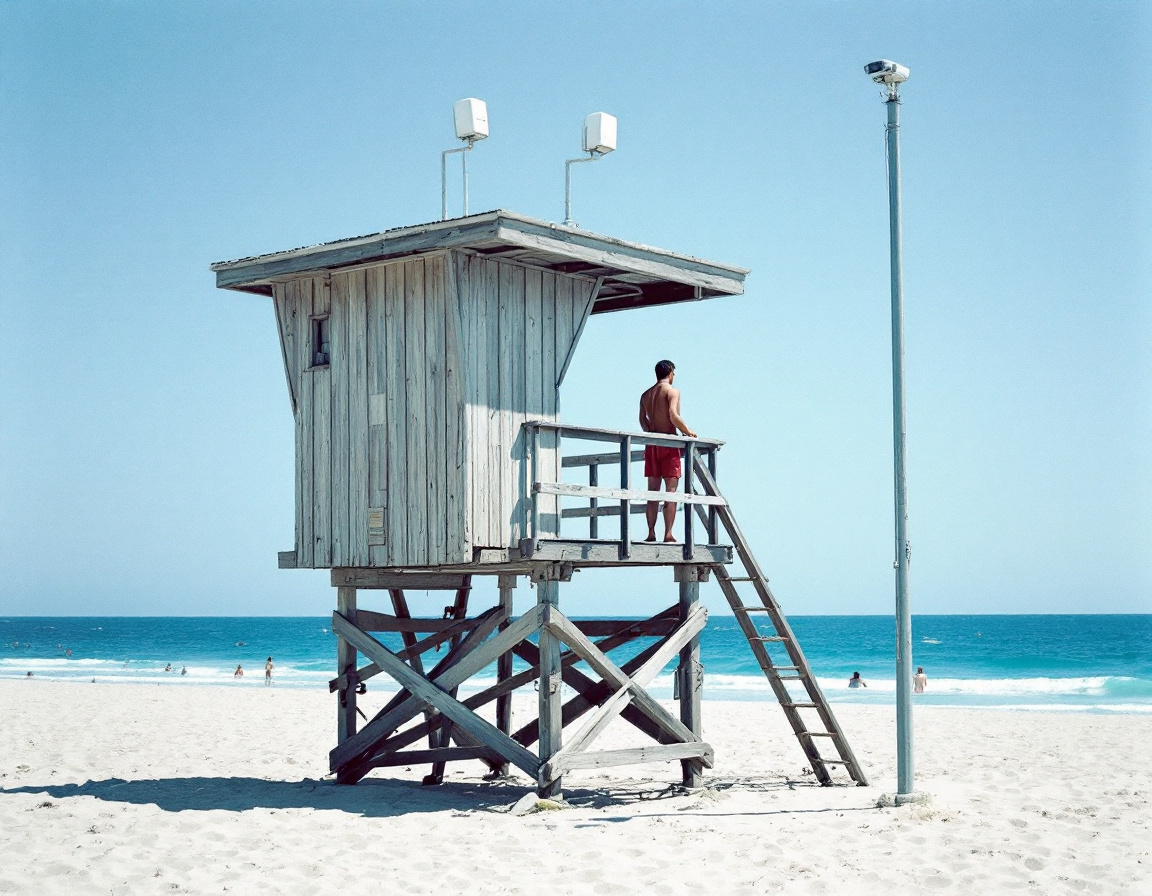
The first configuration. Camera coverage of the swim area, a launch point behind the guard line, and alerts into whatever the guards already carry.
Lakes and inland swim areas
Where a beach is guarded thinly or seasonally, and where the water is flat enough that a swimmer in trouble is even harder to pick out from a swimmer at rest.
Waterfronts and resorts
Hotel and resort water, marina swim areas, and other places with a duty of care and no guard tower.
Pools and enclosed water
A smaller problem geometrically and a harder one legally. Under development; we will not describe it as shipping until it is.
HALO
Beach patrols, parks and recreation departments, county and municipal water-safety programs, and waterfront operators. Airspace approvals are part of every deployment conversation, and we start it early.
Ask about HALO
Tell us about your beach — how it is guarded now, how far out swimmers go, and what your season looks like.